There is a particular kind of exhaustion that senior leaders rarely talk about. Not the tiredness that comes from a hard week, that is manageable, even expected. This is something quieter and more cumulative. The weight of always being the one with the answers. The loneliness of a role where honest feedback becomes harder to elicit the higher you climb. The invisible labour of holding things together at work while holding things together at home, and making it all look seamless in a way that nobody around you quite realises how much it is costing you.
If any of that sounds familiar, this is for you.
What I wish I had understood earlier
When I was working in a corporate leadership role, I did not have a strong support network. Not because I didn’t need one but because I didn’t see the value. I had a trusted right-hand person and beyond that I carried everything else myself, largely without question.
It is only with the perspective of years, and the experience of coaching senior leaders through exactly this, that I understand what I was missing. A stronger support network would not have been a luxury. It would have made me a better leader: more grounded, more resilient, better able to bring my best to the people who needed it from me.
Today I have that network. And the difference is not subtle.
The loneliness nobody mentions
One of the least discussed realities of senior leadership is how isolating it can become. As you move up, the candid conversations become fewer. People are less likely to tell you what they really think. The informal feedback that helps you calibrate, the honest colleague, the straight-talking peer, gradually disappears, replaced by more careful, more managed interactions.
At the same time, the expectations grow and the decisions carry more weight. And yet the support structures often don’t grow with the role, because somewhere along the way, needing support became confused with showing weakness.
This is particularly true for women in senior leadership, who are often still navigating the invisible load of home and family alongside the very visible demands of a senior role. The pressure to do it all, and to make it look effortless, is real, relentless and rarely acknowledged in any meaningful way.
What a strong support network actually looks like
A support network is not a single person, and it is not a weakness. It is a deliberate, considered set of relationships that together give you what no single person can provide alone.
For senior leaders it might include some or all of the following:
An executive coach: A confidential space to think clearly, work through complexity and develop your leadership without the filters that come with organisational relationships. Coaching gives you something rare at a senior level: a conversation that is entirely about you, with someone who has no agenda other than your development.
A mentor: Someone who has navigated territory similar to yours and can offer perspective, honest challenge and the reassurance that comes from lived experience.
A trusted peer network: Colleagues at a similar level, inside or outside your organisation, with whom you can speak candidly. These relationships are invaluable precisely because they are reciprocal. You are not always the one giving, which matters more than most leaders admit.
A sponsor: Someone with influence who actively advocates for you and ensures your contribution is visible in the right rooms.
Personal support: The people in your life who know you outside your role who remind you that you are more than your job title and give you perspective when the weight of work starts to crowd out everything else.
None of this happens by accident. At a senior level, building and maintaining a support network requires the same intentionality you bring to any other leadership priority. Which means it has to be treated as one.
The feedback problem
Here is something worth sitting with: the more senior you become, the less likely you are to receive honest feedback. Not because people don’t have views but because the power dynamic makes it harder to share them. People manage upwards. They tell you what they think you want to hear, or they say nothing at all.
This creates a particular kind of blind spot. Without honest input, it is easy to lose sight of how you are showing up, the impact you are having and the patterns that are serving you, and the ones that aren’t. Left unchecked, this is how very capable leaders quietly develop habits that undermine them.
A coach, a trusted mentor or a peer who will tell you the truth is not a nice-to-have at this level. It is an essential counterweight to the echo chamber that senior leadership can quietly become.
A question worth sitting with
When did you last have a conversation that was entirely about you, not your team, not your organisation, not the next decision you need to make but you, your leadership and what you need to thrive?
If nothing comes to mind, that silence is worth sitting with.
A final thought
The instinct to do it all, to be the one others lean on rather than the one who leans. These are not weaknesses to be managed. They are often the very qualities that got you to where you are. But at a senior level, unchecked, they become the thing that limits you.
The leaders who sustain high performance over time are not the ones who need the least support. They are the ones who have built the most intentional support around them and who have given themselves permission to use it.
You cannot lead others well from a place of depletion. The most important thing you can do for the people who depend on your leadership is make sure you are genuinely supported yourself.
If you are a senior leader looking for a confidential space to think clearly and lead with greater intention, executive coaching at KOI might be a good fit. We’d love to talk.
What Our Clients Say

"My team has worked with Isolde and KOI for 6 years and the experience has been transformative. We have always been a remote team and the dynamics are different than what you may be used to."
Eric Bailey
Global Director of Travel, Venue Source and Payments, Microsoft.


"Working with Isolde transformed our leadership team. She helped us navigate major global change, build trust and reach a level of performance we hadn’t achieved before."
Brian Kirwan
Director Globalization & Development.

"The Advanced Leadership Development programme is our most recommended programme, year after year. KOI delivers real impact. Participants leave with greater self-awareness and skills they apply immediately. We re-commission it because it works."
Shauna Ennis
Head of Learning and Development, Tallaght University Hospital
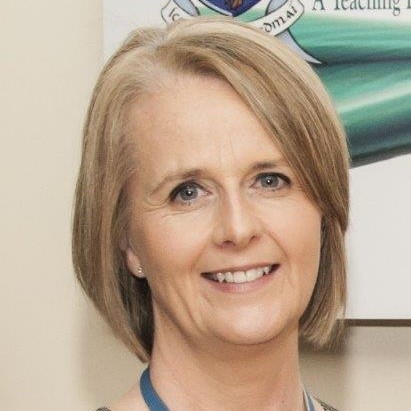

"The Emerge programme exceeded our expectations in developing our female talent pipeline. Participants developed leadership skills across 16 areas and described the impact as transformational both personally and professionally."
Linda Allen
Head of Talent Management, Iarnród Éireann Irish Rail
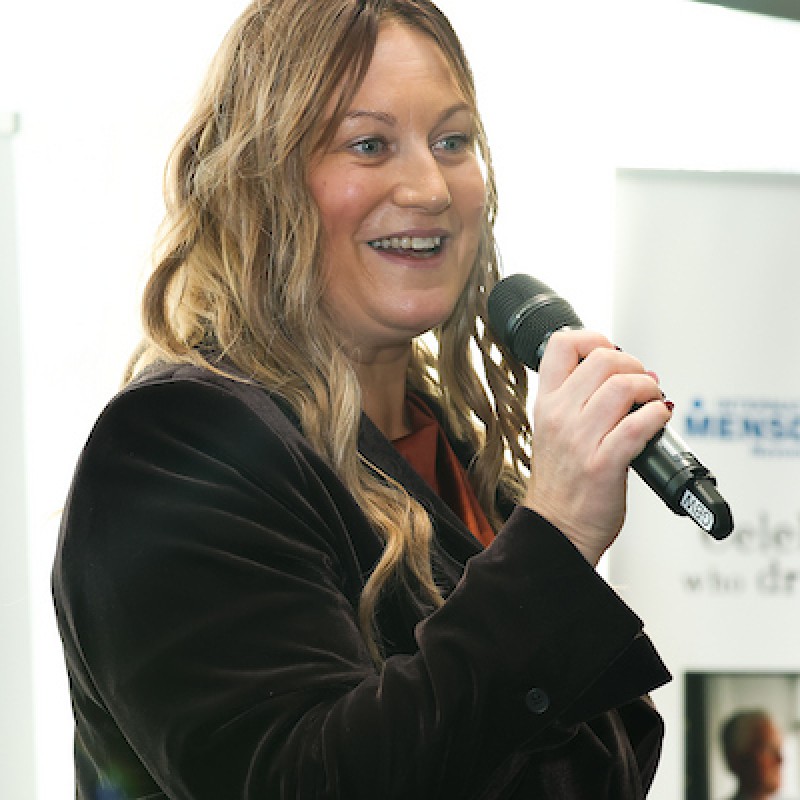

"Isolde has guided the leadership development of our senior team over several years, always delivering meaningful results with professionalism and empathy. A genuinely positive impact on our organisation."
Allison Aldred
CEO, Good Shepherd Cork

"A key partner to PTSB, KOI delivers our Emerge Programme enabling the development of our future leaders, helping them build confidence, strengthen self-awareness, and define how they show up as leaders every day, while shaping a strong and values-led culture across the bank."
Louise Geraghty
Learning & Talent Manager, PTSB